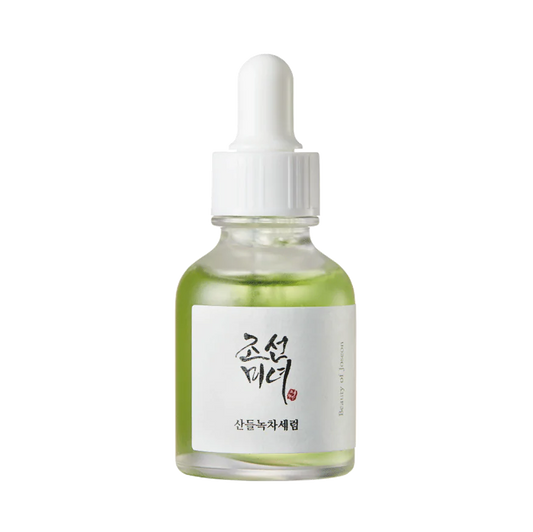
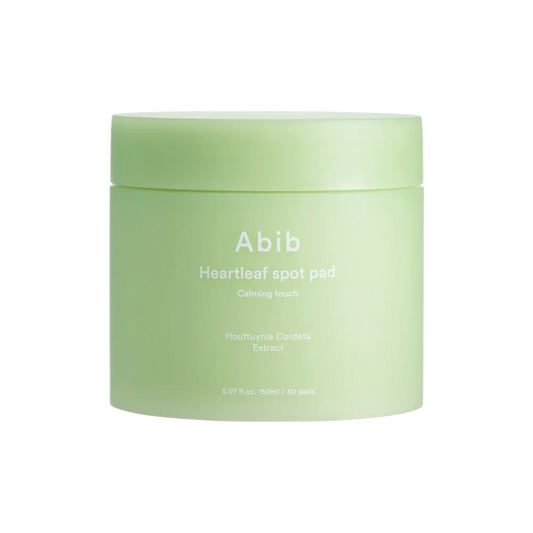
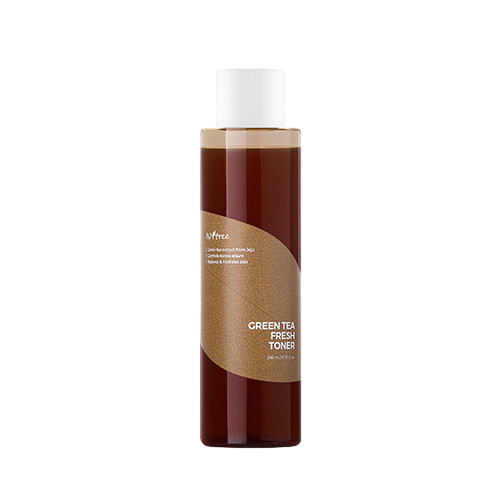
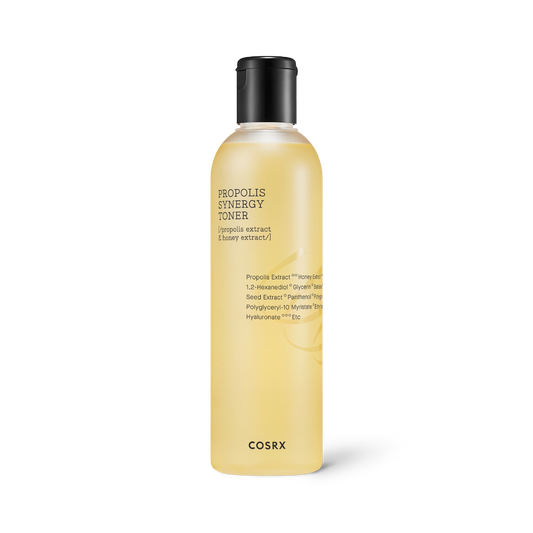
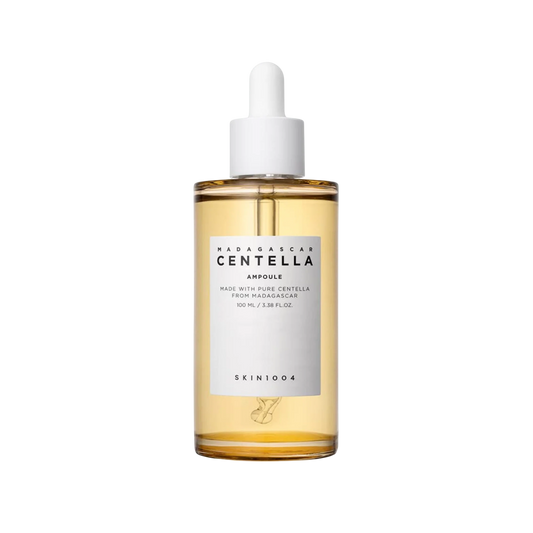
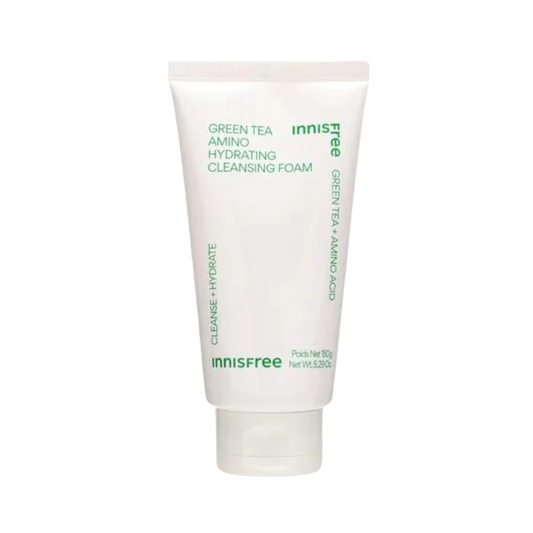
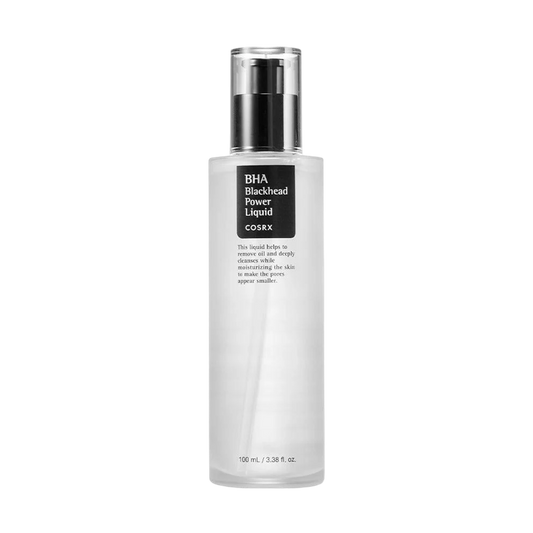
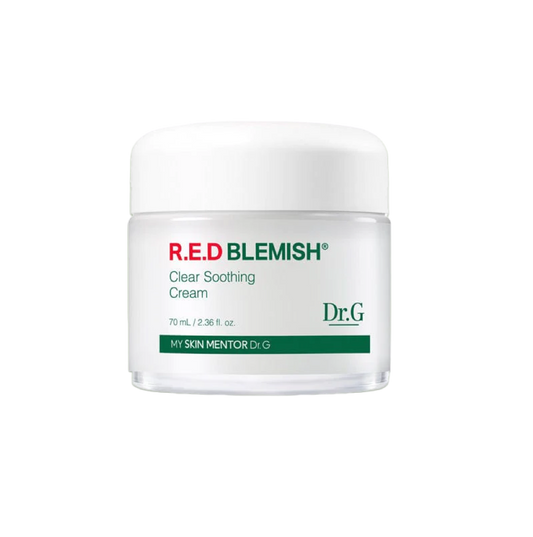
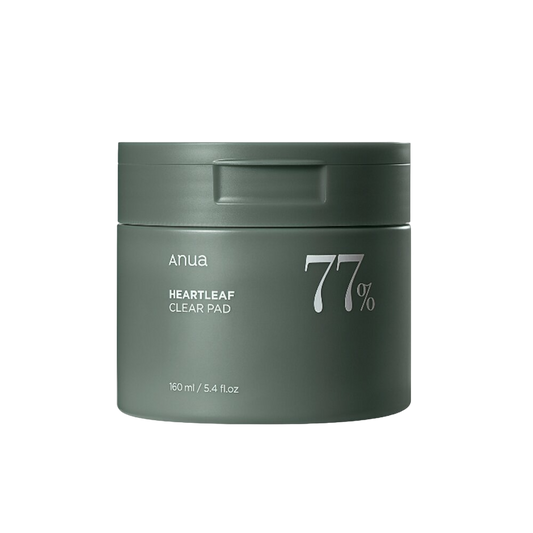
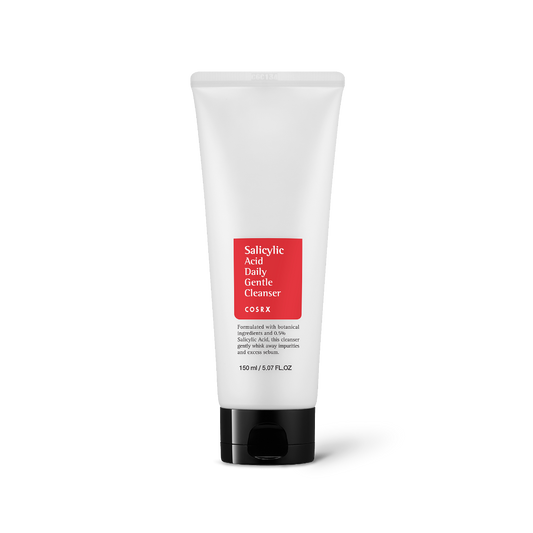
A gentle, barrier-focused approach to managing breakouts and keeping your skin calm and balanced
Start here — what you need to know
Struggling with breakouts?
If you’re dealing with breakouts, it can feel unpredictable — like your skin is changing all the time, or nothing you try is really working.
It’s completely normal to want quick results, especially when breakouts feel visible or persistent.
Why quick fixes often backfire
A common instinct is to reach for stronger products to clear acne as quickly as possible.
But when the skin is repeatedly exposed to harsh treatments, it can become more irritated and reactive — often leading to more breakouts over time.
In Korean skincare, acne is rarely approached by “drying it out”.
A different way to think about acne
Instead of trying to eliminate acne as quickly as possible, the focus is on managing and stabilising the skin over time.
Because acne is influenced by multiple factors — including oil production, inflammation, hormones, and lifestyle — it isn’t always something that can be completely resolved overnight.
The goal is to:
-
reduce the frequency of breakouts
-
support faster recovery
-
keep the skin calm and balanced
The Korean skincare approach: barrier first
In Korean skincare, the skin barrier is considered the foundation of healthy skin.
Rather than stripping the skin, the focus is on keeping the barrier stable so the skin can regulate itself more effectively.
When the skin is well-supported, it is better able to:
-
control excess oil
-
recover from inflammation
-
respond more calmly to external stress
Dermatologists often observe that recurring acne is commonly linked to a weakened skin barrier — which can make the skin more reactive and slower to heal.
When the skin is repeatedly irritated, it can enter a cycle of sensitivity and breakouts.
Why am I breaking out?
Acne typically develops when pores become clogged with oil and dead skin cells.
This creates an environment where bacteria can grow, leading to inflammation and breakouts such as:
-
Whiteheads
-
Red pimples
-
Deeper, painful spots
When inflammation is present, the skin barrier can also become compromised — making breakouts slower to heal and more likely to leave marks.
Hormonal changes can also influence breakouts, especially around the chin and jaw or at certain times of the month.
It’s not just skincare
One of the reasons acne can feel difficult to manage is because it isn’t caused by a single factor.
Dermatologists often point to a combination of internal and external influences, including:
-
Stress
-
Sleep quality
-
Hormonal fluctuations
-
Diet and overall health
For example, high-glycaemic foods or dairy may influence oil production in some people, while lack of sleep and stress can increase inflammation.
This is why acne can sometimes feel inconsistent.
You don’t need to control everything perfectly — but understanding these patterns can help you support your skin more effectively.
Ingredients that clear, calm and support recovery
In Korean skincare, ingredients are often selected to work together — not just to clear breakouts, but to calm the skin and support healing at the same time.
You don’t need to use everything at once. Starting with one or two key ingredients is usually enough.
Clear (unclog pores & reduce breakouts)
-
Salicylic Acid (BHA)
Helps unclog pores and prevent breakouts
-
Azelaic Acid
Helps reduce breakouts and fade post-acne marks
→ [Shop Breakout Treatments]
Calm (reduce redness & irritation)
-
Centella Asiatica
Helps soothe irritation and support healing
-
Tea Tree
Provides gentle antibacterial support
-
Niacinamide
Helps regulate oil and calm redness
→ [Shop Soothing Care]
Repair (support your skin barrier)
-
Ceramides
Help strengthen the skin barrier and prevent moisture loss
-
Panthenol (Pro-Vitamin B5)
Helps soothe irritation and support skin repair
-
PDRN
Supports skin recovery and helps calm inflammation
→ [Shop Barrier Care Products]
Balance
-
Sebum-control ingredients (e.g. Anti-Sebum P)
Help balance oil while maintaining skin stability
→ [Shop Oil-Control Products]
A simple, barrier-safe routine
Before focusing on stronger treatments, it’s important to make sure your skin barrier is supported. This allows active ingredients to work without causing additional irritation.
When your skin is breaking out, keeping your routine simple is often the most effective approach.
Morning
-
Gentle cleanser → removes oil without stripping
-
Lightweight moisturiser → keeps the skin balanced
-
Sunscreen → protects healing skin and prevents marks
Evening
-
Oil cleanser (if wearing sunscreen/makeup) → removes buildup and SPF
-
Gentle cleanser → cleans the skin without irritation
-
Treatment (2–3x per week) → BHA or azelaic acid (start slowly)
-
Soothing serum → centella or green tea to calm inflammation
-
Moisturiser → supports overnight repair
If your skin feels irritated, reduce how often you use active ingredients rather than adding more products.
Consistency matters more than complexity.
→ [Shop our Acne-Prone K-beauty Routine]
What to be careful with
When the skin is already sensitive, certain habits can make breakouts more difficult to manage:
-
Harsh physical scrubs
-
Over-exfoliating (using acids too frequently)
-
Heavy, pore-clogging creams
-
Introducing multiple new active ingredients at once
If your skin feels tight, irritated, or more inflamed, it’s often a sign to simplify your routine and focus on barrier support.
→ [Learn how to support your skin barrier]
What to expect: a realistic timeline
This is the part that’s often overlooked.
Because acne is influenced by multiple factors, it’s not always something that can be completely eliminated — especially in the short term.
Instead, progress usually looks like gradual improvement.
With a consistent, barrier-focused routine:
-
Weeks 2–4 → less irritation, more balanced skin
-
Weeks 4–8 → fewer breakouts, smoother texture
Some fluctuation is normal — occasional breakouts can still happen even when your routine is working.
Final note
Healthy skin isn’t about perfection.
It’s about consistency, balance, and giving your skin the right conditions to recover.
With the right approach, your skin can become calmer, more resilient, and easier to manage over time.